
At Hartland Park Animal Hospital in Lexington, KY, pet owners often ask how identification fits into everyday safety. Pet microchipping is a simple tool our veterinarian recommends to support long term protection. This FAQ explains common questions so families can make informed decisions with confidence.
What Is Pet Microchipping And How Does It Work?
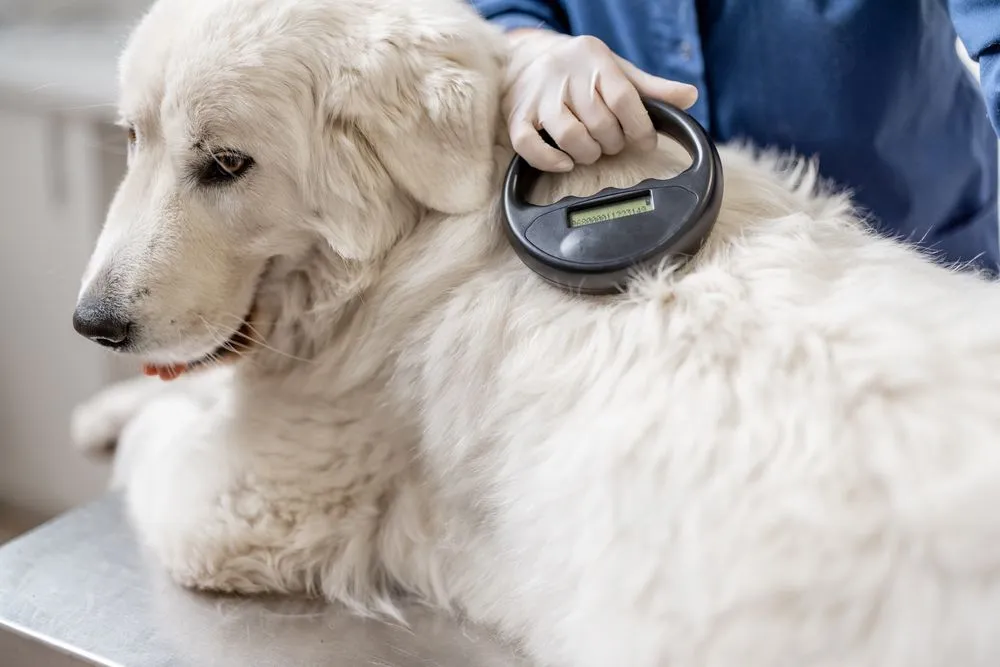
Pet microchipping places a tiny chip beneath the skin that carries a unique identification number. When scanned, the number connects to a secure database containing owner contact details. Our clinic performs this procedure quickly during routine visits with minimal discomfort. The chip remains in place for life and does not require batteries or maintenance.
Why Are Collars And Tags Not Always Reliable?
Collars and tags are helpful but can break, slip off, or be removed. Pets that panic during storms or travel may lose visible identification when it matters most. A microchip provides permanent backup identification even when external items are missing. This added layer improves the chances of a safe reunion.
How Do Microchips Help Lost Pets Get Home?
Animal shelters and veterinary offices routinely scan found pets for microchips. A registered chip allows staff to contact owners quickly without relying on guesswork. Faster reunions reduce stress for pets and help limit time spent in unfamiliar settings. Our veterinarian emphasizes this benefit for both indoor and outdoor pets.
Is Microchipping Safe For Pets?
Many owners worry about pain or side effects associated with microchips. The chip is very small and inserted using sterile equipment similar to a vaccination. Complications are rare, and pets usually resume normal activity right away. Our clinic discusses any concerns before the procedure begins.
What Happens If Contact Information Changes?
A microchip only works if registration information stays current. Phone numbers, addresses, and email details should be updated whenever changes occur. Our veterinarian can explain how to access the registry and confirm enrollment. Keeping records accurate improves success if a pet is found.
How Does Microchipping Fit Into Preventive Care?
Microchipping fits naturally into a broader approach to wellness and safety. It works alongside exams, vaccinations, and ongoing guidance from a veterinarian near you. Preventive planning helps reduce avoidable emergencies related to lost pets. Our clinic encourages early identification as part of responsible care.
Do Microchips Track Location Or Store Private Data?
Microchips do not track location or store personal data beyond the registry number. They activate only when scanned, which protects privacy while still enabling identification. Understanding these limits helps owners feel comfortable choosing this option. Our clinic explains expectations clearly during appointments.
When Is The Right Time To Microchip A Pet?
Pets can be microchipped at many ages, including during early wellness visits. Adult pets and seniors can also benefit when identification is missing or outdated. Our veterinarian reviews timing based on health history and lifestyle. This personalized approach supports safe outcomes.
How Can Pet Owners Get Started With Microchipping?
Pet safety decisions matter at every stage of life, especially for active households. At Hartland Park Animal Hospital in Lexington, KY, our veterinarian is ready to answer questions about pet microchipping. Calling Hartland Park Animal Hospital can help schedule a visit and keep identification up to date. This simple step supports peace of mind for families throughout Lexington, KY.